Ninja Prestige Dualbrew System Honest Review — Is the Hype Justified?
For years, my kitchen counter was a battleground between two competing philosophies of coffee consumption. On one side stood my aging but reliable 12-cup drip brewer, a workhorse for those heavy-eyed Monday mornings when I needed a full pot just to face my inbox. On the other side was a compact pod machine, perfect for the frantic "I’m already ten minutes late" exits where I just needed a caffeine hit and didn't have time to measure grounds. I hated the clutter, but I loved the flexibility. When the Ninja Prestige Dualbrew System started appearing in my social feeds and tech blogs, promising to marry these two worlds without sacrificing the quality of either, I was skeptical but desperate for the counter space. I finally pulled the trigger several months ago, and after putting it through the ringer of daily use, holiday hosting, and sleepy Sunday mornings, I finally feel ready to share whether this machine is a revolutionary kitchen staple or just another over-engineered gadget.
The First Impression: Living with the Design
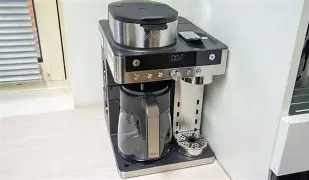
When I first unboxed the Ninja Prestige, the first thing I noticed was its footprint. It isn't exactly small, but it is remarkably thoughtfully designed. One thing that bothered me about my previous dual-setup was how much depth they took up, often extending past the edge of my cabinets. Ninja included a "Multi-Position Water Reservoir" that I absolutely love. In my kitchen, I have a narrow corner, so I keep the reservoir on the side to save depth. If you have a wide, shallow space, you can swing it to the back. It sounds like a minor detail, but after testing for three months, being able to refill the tank without pulling the entire heavy machine out from under the cabinets has saved me a daily frustration. The build quality feels substantial; there is a lot of high-quality plastic, yes, but the interface is tactile and the "Ninja" branding feels premium rather than tacky.
One observation I made early on is how the machine handles the transition between pods and ground coffee. There is a "Ninja Pod Adapter" that slides in when you want to use a K-Cup. In my experience, these hybrid machines usually fail because the adapter feels like a flimsy afterthought. Here, it clicks in with a heavy, satisfying thud. When I want to use the permanent filter for a full carafe, I just slide the adapter out and store it in a little side cubby that Ninja built into the frame. It’s these small "user-first" touches that made me start to think the hype might actually be grounded in reality.
The Brewing Experience: Does it Actually Taste Different?
The core promise of the Prestige Dualbrew is "Thermal Flavor Extraction." I’ve spent years trying to dial in the perfect cup of coffee, and what I found was that most standard drip machines simply don't get the water hot enough, or they dump the water too quickly through the center of the grounds, leaving the rest dry. After testing the Brew styles—Classic, Rich, Over Ice, and Specialty—I noticed a distinct difference in the output compared to my old machines. When I select "Rich," the machine uses a pulsed brewing method. It saturates the grounds, pauses for a "bloom" period, and then continues. I was surprised by how much more body I got out of my standard medium-roast beans. It wasn't just hotter; it was more balanced.
The pod side was where I was most skeptical. Let's be honest: pod coffee usually tastes like "hot bean water" because the water tunnels through the center. Ninja tried to fix this with three needles instead of one. I noticed that when I pulled a used K-cup out, the top was punctured in a way that ensured the water hit more of the surface area. Is it as good as a fresh-ground pour-over? No, of course not. But is it significantly better than the standard single-needle pod machine I was using? Absolutely. The "Specialty" 4-ounce brew is also surprisingly potent. While it isn't true espresso (it lacks the pressure-driven crema), it is a very concentrated coffee liquor that doesn't get lost when you add milk. I've been using this for my afternoon lattes, and it holds its own against the dairy in a way that standard drip coffee never could.
Daily Use and the Specific Disappointments
No product is perfect, and there are specific things that have frustrated me over the last few months. One thing that consistently bothered me is the "Drip Stop" lever. It’s a manual physical slider that you have to remember to close if you want to pull the carafe out mid-brew or to prevent drips on the heating plate after the brew ends. Because it's manual, I have forgotten to open it before starting a brew at least three times. The result? A mess of hot water and grounds backing up into the basket. In a "Prestige" model, I really expected the drip stop to be automated or at least have a sensor that warns you if it’s closed when you hit the start button.
Shop the latest Electronics picks on Amazon.
Browse Now →I also noticed that the warming plate, while effective at keeping the glass carafe hot, has a tendency to "cook" the coffee if you leave it on for more than an hour. If you’re a slow sipper like me, the coffee starts to take on a bitter, burnt profile by the time you reach the bottom of the pot. I eventually learned to transfer the coffee to a thermal carafe or just brew smaller batches, which the machine makes easy to do with its various size settings. Speaking of size settings, the machine offers everything from a 6-ounce cup to a full 12-cup carafe. However, I found that the "Over Ice" setting for a single cup often comes out a bit too diluted if you don't use the "Rich" setting as the base. You really have to over-index on the coffee-to-water ratio to get that coffee-shop iced result.
Performance Comparison
To give you a better idea of how this stacks up against the competition I've used in the past, I've put together a comparison o…| Feature | Ninja Prestige Dualbrew | Standard Drip Machine | High-End Pod System |
|---|---|---|---|
| Brewing Flexibility | Grounds + Pods + 4 Styles | Grounds only | Pods only |
| Temperature Control | High (Consistently 195-205°F) | Varies (Often drops below 190°F) | Moderate (Fixed temperature) |
| Frothing Capabilities | Built-in fold-away frother | None | Separate accessory required |
| Maintenance | Easy (Dishwasher safe parts) | Moderate | Simple but frequent descaling |
| Footprint | Moderate (Adjustable reservoir) | Small to Large | Small |
The Built-in Frother: A Gimmick or a Tool?
When I first saw the frother arm that folds out from the side, I dismissed it as a gimick. It doesn't heat the milk; it’s just a high-speed whisk. However, after using it for several months, it has become one of my favorite features. Because it’s attached to the machine, I actually use it. With a separate dedicated frother, I often felt it wasn't worth the extra cleaning effort. Here, I just swing the arm out, froth my cold or microwaved milk for 30 seconds, and then the whisk head twists off for a quick rinse. I was surprised by the micro-foam quality I could get with whole milk. It isn't the steam-wand quality you'd get from a $1,000 espresso machine, but for a casual Tuesday morning cappuccino, it’s remarkably effective. One thing to note: it’s quite powerful, so if you don't use a deep enough cup, you will end up painting your backsplash with milk foam.
Buying Guide: Is This Machine Right for You?
Before you commit to the Ninja Prestige Dualbrew, you need to evaluate your own coffee habits. I’ve found that this machine appeals to a very specific type of user, while others might find it over-complicated. Here is my breakdown of who should buy it and who should look elsewhere based on my experience.
Who Should Buy the Ninja Prestige:
- People who value variety and want to switch between a quick single cup and a full pot for guests without owning two machines.
- Those who enjoy "coffee house" drinks like lattes and macchiatos but don't want to learn the technical skills required for a manual espresso machine.
- Small kitchen owners who need to maximize counter space by consolidating their coffee gear.
- Users who are frustrated with the weak flavor often produced by standard entry-level drip brewers.
Who Should Skip It:
- The "Coffee Purist" who only drinks pour-over or high-pressure espresso. This machine is a jack-of-all-trades, but it won't beat a dedicated, high-end single-purpose tool.
- Budget-conscious shoppers. You are paying a premium for the "Dualbrew" technology and the Ninja brand name. If you only ever use pods, a basic $60 pod machine is more economical.
- People who want a fully automated "bean-to-cup" experience. This machine still requires you to scoop grounds and manage the pod adapter.
The Pros and Cons After 90 Days
After three months of daily use, the "new gadget" shine has worn off, and I’m left with the reality of the machine's performance. Here is the honest breakdown of the highs and lows.
Looking for the best Electronics deals on Amazon?
Browse Now →The Pros
- Unmatched Versatility: Being able to brew a 12-cup pot for a brunch and then a single pod for a 2 PM pick-me-up using the same footprint is a game changer.
- Adjustable Reservoir: The ability to move the water tank to the side or back makes it fit almost any kitchen configuration.
- Smart Features: The "delay brew" function is reliable and easy to program, and the machine actually remembers your last used settings, which is a nice touch.
- Independent Water Path: Ninja claims the hot water for the pod and grounds travels through different paths, which means you don't get "pod-flavored" drip coffee. In my experience, this is true; the flavor remains clean.
- Fold-Away Frother: It’s fast, efficient, and easy to clean, adding a layer of luxury to basic coffee without the bulk of a standalone frother.
The Cons
- Manual Drip Stop: As mentioned, the manual slider is a recipe for messes if you are forgetful in the morning.
- Heating Plate Temperature: It can occasionally overheat the coffee if left on for hours, leading to a bitter taste.
- Cleaning the Adapter: While the carafe and filter are easy to clean, the pod adapter has many small crevices where coffee oils can build up, requiring a more focused scrubbing every few weeks.
- Noise Level: During the puncture and initial pump phase of a pod brew, the machine is quite loud. It’s not "wake the neighbors" loud, but it’s definitely noticeable if you’re trying to be quiet in a small apartment.
- Height: When the top lid is flipped open to add grounds, the machine becomes quite tall, which might interfere with low-hanging cabinets.
The Final Verdict: Is the Hype Justified?
After several months of testing, I can say that the hype surrounding the Ninja Prestige Dualbrew System is largely justified, provided you know what you are buying. It isn't a magical machine that makes $100-per-pound beans taste like they were brewed by a world-class barista. However, it is an exceptionally smart, well-built, and versatile tool that solves the "two-machine problem" with style.
What I found was that I saved money in the long run because I stopped going to the local coffee shop for lattes. The "Specialty" brew and built-in frother allowed me to replicate those drinks at home with about 90% accuracy. I also appreciated the "Over Ice" feature more than I expected; it actually calibrates the temperature and volume so that your ice doesn't immediately turn into a puddle, leaving you with cold, concentrated coffee.
In my experience, the minor frustrations—the manual drip stop and the noise—are outweighed by the sheer convenience of having every brewing option at my fingertips. If you are someone who loves coffee but hates clutter, and you want a machine that can adapt to your changing needs throughout the week, the Ninja Prestige is an investment that pays off in both counter space and quality of life. It’s a rare example of a "do-it-all" appliance that actually does most things quite well. While there is room for improvement in future iterations, for now, it has earned its permanent spot on my counter.