The Truth About the Samsung Galaxy S26: Pros, Cons, and Verdict
The Samsung Galaxy S26 series arrived in early 2026 as Samsung’s latest mainstream flagship lineup, aiming to refine what worked in previous generations while introducing targeted upgrades: stronger AI features, improved low-light imaging, longer software support, and a controversial pricing reset that starts base storage at 256GB. This article breaks down what buyers need to know about the Galaxy S26 (and how it compares to the S26+ and S26 Ultra), evaluates real-world performance across common use cases, lists clear pros and cons, and offers a buying guide to help readers decide whether the S26 is the right phone for them.
Introduction: Where the S26 Fits in 2026
Samsung positioned the S26 as the smallest and most pocketable option in the trio—an everyday flagship for people who want the latest hardware and software without the bulk or top-tier price of the Ultra. Announced on February 25, 2026, and shipping in March, the S26 now starts at 256GB storage and carries features such as an adaptive 1–120Hz LTPO AMOLED display, improved Snapdragon/Exynos silicon depending on region, and upgraded computational photography powered by expanded Galaxy AI tools.
Understanding whether the S26 is a sensible purchase depends on several buyer concerns: camera quality for social and travel photography, battery life for commuters, display fidelity for media consumption, update longevity for longevity-minded buyers, and value compared to older flagships and rival devices from other brands. The rest of this review unpacks those elements with practical, real-world context.
Detailed Product Review and Analysis
Design and Build
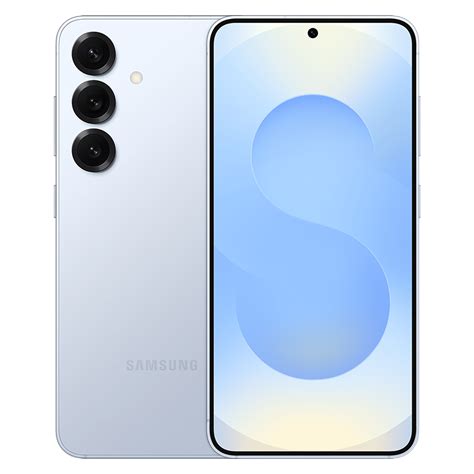
The S26 continues Samsung’s aesthetic of slim bezels and a minimalist rear camera island. It’s notably compact—well-suited for one-handed users and those who prefer phones that fit easily into jacket pockets. Materials are premium with Gorilla Armor 2 glass on the front and a matte or glossy finish on the back depending on color. An IP68 rating keeps it protected from incidental water exposure.
Real-world takeaway: the S26 is comfortable to hold for extended reading or browsing sessions and slips into compact handbags and trouser pockets with no fuss. Those who frequently drop phones should still consider a case; Samsung’s thin profile makes accidental slips more likely.
Display
Samsung equipped the S26 with a 6.3-inch FHD+ LTPO AMOLED panel that adapts between 1Hz and 120Hz. In everyday use, the display is bright, color-accurate, and extremely smooth for scrolling and animations. Adaptive refresh rate helps conserve battery during static content (reading, messaging) while ramping up for gaming and motion-heavy video.
Real-world takeaway: streamers and social media users will appreciate the crispness and high refresh, but those who demand the absolute highest pixel density for photo editing may prefer the S26+ or Ultra’s QHD panels.
Performance
Performance is strong for 2026’s flagship class. The S26 ships with region-dependent silicon—Snapdragon 8 Elite Gen 5 in some markets and an upgraded Exynos in others—paired with 12GB RAM and fast UFS 4.0 storage. Apps launch quickly, multitasking is seamless, and modern games run at high settings without sustained frame dips on short sessions.
Real-world takeaway: for typical users—social apps, navigation, mobile productivity, and casual gaming—the S26 feels snappy and future-proof. Power users who do heavy video editing or extended gaming sessions may notice thermal throttling over long periods and could prefer the Ultra for its larger battery and advanced cooling headroom.
Battery Life and Charging
The S26 uses approximately a 4,300mAh battery. With typical daily usage—email, messaging, light streaming, camera use, and some browsing—it comfortably reaches a full day. Heavy users combining gaming, extended photography, and frequent video calls should expect to top up in the evening. Charging speeds are modest compared with the S26+ and Ultra; wired charging sits around 25W and wireless speeds are lower.
Real-world takeaway: for commuters who unplug at 7am and return home after work, the S26 is reliable. Travelers who record a lot of video on long days or who want rapid refueling between sessions will value the faster charging in the larger models.
Looking for the best Mobile Phones deals on Amazon?
Shop Amazon →Cameras and Imaging
The S26 features a triple-camera array—typically a 50MP main sensor, 12MP ultrawide, and a 10MP telephoto with ~3x optical zoom. Image processing leans on Samsung’s improved Galaxy AI: smarter scene optimization, faster HDR, and enhanced low-light video. The net effect is crisp daylight shots, punchy colors, and better low-light stabilization than the prior generation.
Real-world takeaway: social content creators and travel photographers will find the S26’s photos more than serviceable for Instagram and personal archives. However, those who require extreme zoom fidelity or the highest-resolution sensors for professional work will prefer the Ultra’s 200MP sensor and advanced telephoto hardware.
Software and Updates
Shipping with Android 16 and One UI 8.x, the S26 benefits from expanded AI features integrated across the OS—assistant improvements, on-device image editing, and smarter auto-summaries for messages and notifications. Samsung’s commitment to up to seven years of OS and security updates makes the S26 a good long-term investment compared to many Android competitors.
Real-world takeaway: buyers who keep phones for multiple years will appreciate the security and feature updates. Those who want the latest experimental features first may still prefer Google’s Pixel line for immediate Android feature drops.
Connectivity and Extras
The S26 supports Wi‑Fi 7 in newer SKUs, 5G across major bands, and retains essentials such as NFC and Bluetooth LE. No microSD slot—storage planning matters since the base model starts at 256GB. Stereo speakers deliver a surprisingly robust listening experience despite the phone’s compact size, but audiophiles will still prefer dedicated earbuds or wired DACs for critical listening.
Pros & Cons
- Pros:
- Compact, premium design that's comfortable for one-handed use
- Bright, adaptive 1–120Hz AM…
- Everyday smartphone users: Those who value a portable phone with a high-quality display, reliable camera, and robust software support.
- Commuters and one-handed users: People who use their phone on public transit or while moving and prefer one-handed comfort.
- Social media creators: Casual content creators who prioritize quick, reliable photos and on-device editing features rather than full professional tooling.
- Long-term owners: Buyers who plan to keep a phone for several years and benefit from Samsung’s extended update policy.
Those who prioritize extended battery life, pro-level zoom, S Pen integration, or the absolute highest display resolution should look at the S26+ or the S26 Ultra instead.
Buying Guide: How to Decide and What to Check
Which Model to Choose
Decide first by use case:
- If portability and one-handed operation matter most, choose the Galaxy S26.
- If a larger screen, longer battery life, and faster wired charging matter, choose the S26+.
- If photography, the S Pen, and premium hardware features are priorities, choose the S26 Ultra.
Storage Planning
Because the S26 lineup starts at 256GB and does not support microSD, buyers should consider whether 256GB is sufficient. For average users who stream media and rely on cloud photo backups, 256GB will often be enough. For those who shoot lots of high-bitrate video or download large libraries for offline use, upgrading to 512GB is prudent.
Carrier vs Unlocked
Evaluate carrier promotions and trade-in offers, but check the exact model variant: carriers sometimes ship different modem configurations or preinstalled software. Unlocked phones generally receive updates more predictably and can be used across multiple networks if travel is frequent.
Battery and Charging Habits
Consider typical daily workflows. If charging during short breaks matters—such as quick top-ups between meetings—moving to the S26+ or Ultra may be beneficial for their faster charging capabilities. Otherwise, carry a compact USB-C power bank or plug in nightly.
Discover deals on Mobile Phones — updated daily.
Browse Now →Camera Priorities
Test sample photos in real conditions when possible. Daylight photos will be strong across the S26 line, but for long-range shots or maximum detail in low light, the Ultra’s larger sensor and periscope telephoto are meaningful upgrades.
Accessories and Protection
A thin, high-quality case and a tempered glass protector (if preferred) extend the phone’s lifespan. Given the compact size, many third-party cases are available that preserve the phone’s ergonomics while improving grip.
Software and Longevity
Samsung’s multi-year update promise is a major selling point. Confirm the exact update window at purchase and register the device with Samsung to ensure timely security patches. Consider also the availability of local repair centers for out-of-warranty issues or accidental damage coverage.
Real-World Use Cases and Practical Notes
Travel and Street Photography
The S26’s compact form is excellent for travel. It fits comfortably in pockets and leaves room for accessories like a compact gimbal or a charging brick. The camera’s AI-driven night modes and video stabilization help capture usable media in varying light without lugging larger camera gear.
Work and Productivity
For email, document editing, and conferencing, the S26 is more than capable. The combination of a smooth display, long software support, and good call quality make it a reliable companion for professionals who prefer a smaller device to balance with a laptop or tablet.
Gaming and Media Consumption
Casual and mid-level mobile gaming perform well. The adaptive refresh rate provides smooth animation while saving battery during static use. For marathon gaming sessions, the S26+ and Ultra’s larger batteries and improved thermal management are preferable.
Privacy-Conscious Users
While the S26 does not include the Ultra’s Privacy Display, Samsung’s on-device privacy features and expanded security updates are beneficial for users who handle sensitive information on their phones. Those often using screens in public may still prefer the Ultra for its side-angle privacy tech.
Conclusion
The Samsung Galaxy S26 is a refined compact flagship that balances performance, camera capability, and long-term software support in a pocket-friendly package. It is particularly compelling for users who want a premium Samsung experience without the size, weight, or top-tier cost of the Ultra. While it does compromise in battery capacity and advanced camera hardware compared with its larger siblings, it delivers a dependable, polished experience for everyday life—commuting, social content creation, productivity, and casual gaming.
Ultimately, the S26 is best for those who prioritize ergonomics, display quality, and long-term software updates over absolute camera telephoto prowess or the fastest charging. Buyers who need more battery life, S Pen functionality, or professional-level imaging should evaluate the S26+ and S26 Ultra. For everyone else, the S26 represents a practical point on the flagship curve: premium where most people notice, modest where buyers can compromise.