Tune 750Btnc Wireless Honest Review — Is the Hype Justified?
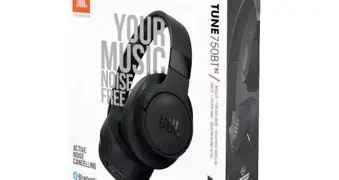
Introduction: Why I Bought the Tune 750BTNC Wireless
I’ll be honest: I didn’t buy the Tune 750BTNC Wireless because I wanted a “statement” headphone. I bought it because I wanted something practical—wireless, comfortable enough for long stretches, and with noise canceling that could take the edge off everyday chaos without costing as much as the flagship models everyone talks about.
I’ve been using the Tune 750BTNC Wireless for several months now—at home, walking around town, on a couple of flights, and during long work sessions. I’ve listened to everything from podcasts and YouTube videos to bass-heavy electronic tracks and acoustic playlists. Over time, the initial excitement wore off and the real personality of the headphones showed up: the stuff that genuinely makes my daily routine easier, and the stuff that quietly irritated me enough to remember.
This is my experience living with them—not a spec-sheet recap. I’ll cover sound, noise canceling, comfort, controls, call quality, battery behavior, and the little details you only notice after weeks of use.
Quick Overview: What the Tune 750BTNC Wireless Is (and Isn’t)
The Tune 750BTNC Wireless sits in that crowded “affordable ANC over-ear” category. In my experience, it’s aiming for a blend of fun sound (especially bass), decent wireless convenience, and noise canceling that helps in real life—but it’s not trying to beat premium headphones on refinement or studio accuracy.
What I found is that it’s best when you treat it like a reliable daily driver rather than an audiophile tool. When I expected it to behave like a top-tier noise canceling set, I got annoyed. When I used it as an everyday work-and-commute headphone, it made a lot more sense.
Build Quality and Design: Light, Foldable, Not Luxurious
The first thing I noticed pulling these out of the box was how lightweight they felt. That was a good sign for comfort, but it also came with a tradeoff: the plastics don’t feel premium. They don’t feel cheap in a fragile way, but they do feel like a product built to hit a price point.
I’ve tossed them into a backpack plenty of times (carefully, but not delicately), and they’ve held up fine. The hinges and folding mechanism have stayed solid for me so far, and I haven’t had any scary creaks that suggest imminent failure. That said, I do baby them more than I would a more rugged pair—mostly because the finish can show scuffs over time.
Portability: A Big Plus in Daily Use
I appreciated that they fold down, and I actually used that feature more than I expected. At cafés or coworking spaces, it’s nice to fold them and set them on the table without them sprawling everywhere. I wouldn’t call them “pocketable,” but for over-ears, they’re travel-friendly.
Comfort Over Months: Mostly Good, With a Few “Long Session” Caveats
Comfort is where long-term use matters. For the first week, I thought, “Great—these are going to be an all-day headphone.” After several months, my verdict is more nuanced.
Clamp Force and Headband Feel
In my experience, the clamp force is moderate. It feels secure when walking, and they don’t slide around on my head. However, during longer sessions (especially if I’m wearing glasses), I noticed pressure build-up around the ear area. It wasn’t unbearable, but it was enough that I’d take them off for a minute every couple of hours.
The headband padding is okay, but it’s not the kind of plush cushioning that disappears. If I’m leaning back in a chair with a headrest, the headband can also feel a bit more noticeable.
Ear Cups and Heat
One thing that bothered me over time was heat. The ear pads tend to warm up, especially indoors. After testing for long stretches while working, I found myself switching to earbuds occasionally just to give my ears a break. If you live in a hotter climate or you run warm, that’s worth factoring in.
Sound Quality: Fun and Punchy, Not “Neutral”
Let’s talk about the sound, because this is where the Tune 750BTNC Wireless clearly has a personality. If you like bass, you’ll probably enjoy them right away. If you want a balanced, analytical presentation, you may find them a little colored.
Bass: The Star of the Show
I was surprised by how present the low end is. The bass has weight and punch, and it makes pop, hip-hop, and electronic tracks feel lively. On some songs, that extra bass energy is exactly what I want—especially when I’m out walking and the environment is noisy.
Find top-rated Audio & Headphones products at great prices.
View Offers →But the bass can also be a little too enthusiastic. What I found was that on certain mixes, the bass push can step on the lower mids. If you listen to a lot of acoustic music or vocal-centric tracks, you might notice vocals feeling slightly less forward than you’d expect.
Mids: Decent, Sometimes Slightly Recessed
The midrange is generally fine, but it’s not the “highlight.” Podcasts and spoken word are clear enough for me, though I do sometimes bump the volume a notch higher than I would on more mid-forward headphones. With music, vocals can sit a bit behind the beat on bass-heavy tracks.
Treble: Safe, Not Sparkly
The treble is relatively smooth and non-fatiguing, which I appreciated during long listening sessions. I didn’t experience harsh sibilance in a way that made me wince. The downside is that the overall presentation can feel a bit less airy and detailed than more expensive sets. Cymbals and subtle high-frequency textures are there, but they don’t always “shimmer.”
Soundstage and Imaging: “Closed-Back Over-Ear” Realities
In my experience, the soundstage is on the more intimate side. It doesn’t feel claustrophobic, but it doesn’t create that wide “out of your head” effect either. Imaging is acceptable for casual listening, but I wouldn’t pick these for competitive gaming or for picking apart complex orchestral recordings.
Noise Canceling: Helpful, But Not Magic
I bought these partly for active noise canceling, and after months of use, I’d describe it as genuinely helpful—especially for low, steady noise—but not the kind of ANC that makes the world disappear.
What It Cancels Well
What I noticed is that it’s best at reducing the hum of fans, air conditioning, and general background rumble. In an office setting, it takes the edge off enough that I can focus without cranking the volume. On a plane, it helped reduce that constant engine drone, which made movies and podcasts more comfortable.
What Still Gets Through
Higher-pitched or sudden sounds still come through more than I’d like. Keyboard clacks, voices nearby, and sharp noises aren’t …One thing that bothered me occasionally was that ANC can slightly change the feel of the sound—like the bass thickens and the overall tone shifts a bit. It’s not dramatic, but if you’re sensitive to tonal changes, you’ll notice it.
Controls and Daily Usability: Fine Once You Learn the Layout
The physical controls are straightforward, and I prefer buttons for headphones like this because I don’t want accidental touch gestures when I’m adjusting them. After a week, the muscle memory kicked in.
That said, I did have moments where I pressed the wrong button while walking, especially with gloves. If you’re the kind of person who changes tracks constantly, there’s a slight learning curve. Once I got used to it, it was fine.
Wireless Stability
In my experience, the wireless connection has been stable in typical environments. I can walk around my apartment without constant dropouts. In crowded public places, I’ve had a few brief hiccups, but nothing that made me want to throw the headphones across the room.
Call Quality: Usable for Casual Calls, Not My First Choice
I’ve taken calls on these when I had to, and they’re “okay.” People could understand me, but I wouldn’t call it impressive. In quiet rooms, it’s acceptable. Outdoors or in windy conditions, the quality drops, and I found myself switching to my phone for important calls.
If your job involves frequent calls or meetings, I’d treat the call performance as a backup rather than a selling point.
Find top-rated Audio & Headphones products at great prices.
See Deals →Battery Life and Charging: Dependable in Real Life
Battery life has been one of the more reliable parts of owning these. I don’t obsessively track hours, but I do track “how often do I have to think about charging?” With the Tune 750BTNC Wireless, I don’t think about it much.
I’ve gone several days of mixed use without charging, and I’ve rarely been caught off guard. I noticed that using noise canceling consistently does drain the battery faster—as expected—but it still feels practical for weekly routines.
Charging is straightforward. My main gripe is that I wish everything in my life charged the same way; juggling cables is always mildly annoying. Still, charging hasn’t been a problem.
Real-World Use Cases: Where They Fit Best
Working From Home
For work sessions, these are solid. The ANC doesn’t completely isolate me, but it reduces enough background noise that I can focus. I also like the slightly bassy tuning at low volumes—it keeps music feeling full without me needing to crank it.
Commuting and Walking
Walking around with them is where the fun sound shines. The bass-forward tuning makes noisy streets less of an issue because the low end doesn’t vanish the moment traffic shows up. The headphones are also light enough that I don’t feel like I’m wearing a helmet.
Flights and Travel
On flights, they help—especially with engine rumble. They’re not the most powerful ANC I’ve tried, but they’re a noticeable improvement over passive isolation alone. I also appreciate the foldability when space is tight.
Pros & Cons After Months of Ownership
Pros
- Fun, punchy bass that works well for pop, hip-hop, and electronic music
- Lightweight design that’s easy to wear and carry
- Foldable for travel and storage
- Noise canceling helps with low, steady background noise
- Battery life feels dependable in everyday use
- Physical buttons that avoid accidental touch controls
Cons
- ANC isn’t top-tier; voices and sharper sounds still cut through
- Sound isn’t neutral; bass can overshadow mids on some tracks
- Ear cups can get warm during long sessions
- Comfort with glasses can be hit-or-miss over multi-hour wear
- Call quality is only average, especially outdoors
- Build feels practical rather than premium
Comparison Table: How I’d Stack It Against Typical Alternatives
I’ve used enough headphones in this general category to know the tradeoffs tend to repeat: better ANC usually costs more, more neutral sound can feel less exciting, and comfort is personal. Here’s how I’d describe the Tune 750BTNC Wireless compared to the kinds of options people usually cross-shop.
| Category | Tune 750BTNC Wireless (my experience) | Typical Budget ANC Over-Ear Alternative | Typical Premium ANC Over-Ear Alternative |
|---|---|---|---|
| Sound Signature | Bold bass, relaxed treble; energetic for casual listening | Varies widely; often either muddy bass or thin overall tuning | More refined balance; clearer separation and detail |
| Noise Canceling | Good for low rumble; not great for voices and sharp sounds | Often mild; sometimes more “marketing” than meaningful | Stronger overall; better across a wider frequency range |
| Comfort | Lightweight; can warm up; clamp noticeable over long sessions | Often heavier padding inconsistencies; fit can be unpredictable | Usually better ergonomics and materials for all-day wear |
| Build & Finish | Functional plastic; holds up, but not luxurious | Can feel creaky or flimsy; durability varies | More premium materials; better long-term wear-and-tear feel |
| Best For | Daily commuting, work focus, bass lovers on a budget | Occasional use where price is the main priority | Frequent travel, demanding listeners, best ANC needs |
Buying Guide: Who Should (and Shouldn’t) Get the Tune 750BTNC Wireless
After testing for months, I think these headphones make a lot of sense for a specific kind of listener. They’re not trying to be the most accurate or the most isolating. They’re trying to be enjoyable and convenient.
If You’ll Probably Love Them
- You like bass-forward sound and want music to feel full at lower volumes.
- You want ANC that helps with steady background noise during work or travel, even if it’s not perfect.
- You need a lightweight over-ear that’s easy to pack and doesn’t feel bulky.
- You prefer buttons over touch controls and want something simple to operate.
If You Might Be Disappointed
- You’re buying primarily for maximum noise canceling in loud, voice-heavy environments.
- You want a neutral, studio-like tuning where vocals and mids are the main focus.
- You wear glasses all day and are sensitive to clamp pressure over long sessions.
- You take a lot of calls in noisy settings and need strong microphone performance.
What I’d Check Before You Decide
If I could go back and advise my past self before purchasing, here’s what I’d say to think through:
- Where will you use them most? If it’s mostly office/home, the ANC and comfort are usually fine. If it’s mostly trains, buses, and loud open spaces, you may want stronger ANC.
- What do you listen to? Bass-heavy music sounds lively. If you mostly listen to acoustic, jazz, or vocal-forward tracks and you want realism, you might prefer a more balanced headphone.
- How long are your sessions? For 30–90 minute blocks, I’m comfortable. For marathon sessions, heat and pressure can creep in.
- Do you need “set-and-forget” calls? These are fine for casual calls, but not the best for frequent meetings.
My Long-Term Verdict: Is the Hype Justified?
After months of real use, I’d say the hype is partially justified—if the hype you’re hearing is about getting a fun, affordable wireless headphone with noise canceling that genuinely helps in daily life. In my experience, the Tune 750BTNC Wireless delivers a pleasing, bass-forward sound, decent comfort for regular sessions, and ANC that noticeably reduces low background noise. It has made my workdays calmer and my walks more enjoyable.
At the same time, I don’t think it deserves “giant killer” hype. The noise canceling isn’t on the level of premium models, the tuning isn’t for everyone, and the comfort can become a bit tiring over long stretches—especially with glasses. I noticed the small compromises more over time than I did on day one.
Still, if you go in expecting a practical, fun-sounding daily headphone rather than perfection, the Tune 750BTNC Wireless has been a solid companion for me. It’s the kind of product I keep reaching for because it fits into my routine easily—and that, in the end, matters more than any marketing headline.